
How to Choose the Right Custom Packaging for Your Product
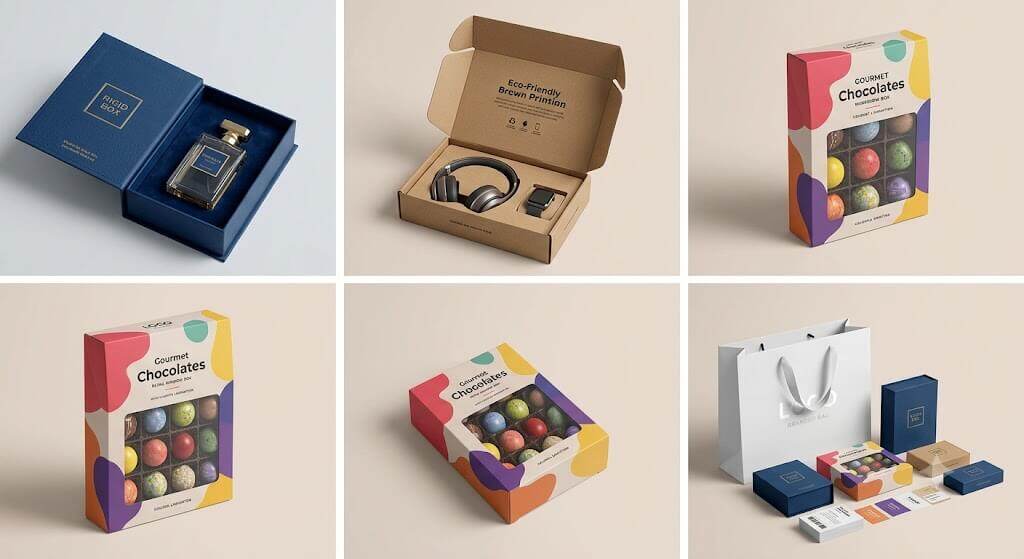
Choosing the right custom packaging is not only about making a product look attractive. For brands, importers, retailers, and e-commerce sellers, packaging also affects product protection, shipping efficiency, customer experience, and overall cost.
A good packaging solution should match the product itself, the sales channel, the brand positioning, and the budget. Before starting a custom packaging project, it is important to understand which packaging structure, paper material, and printing finish will work best for your product.
This guide explains the key factors to consider when choosing custom packaging for cosmetics, skincare products, jewelry, food items, electronics, gift sets, and e-commerce products.
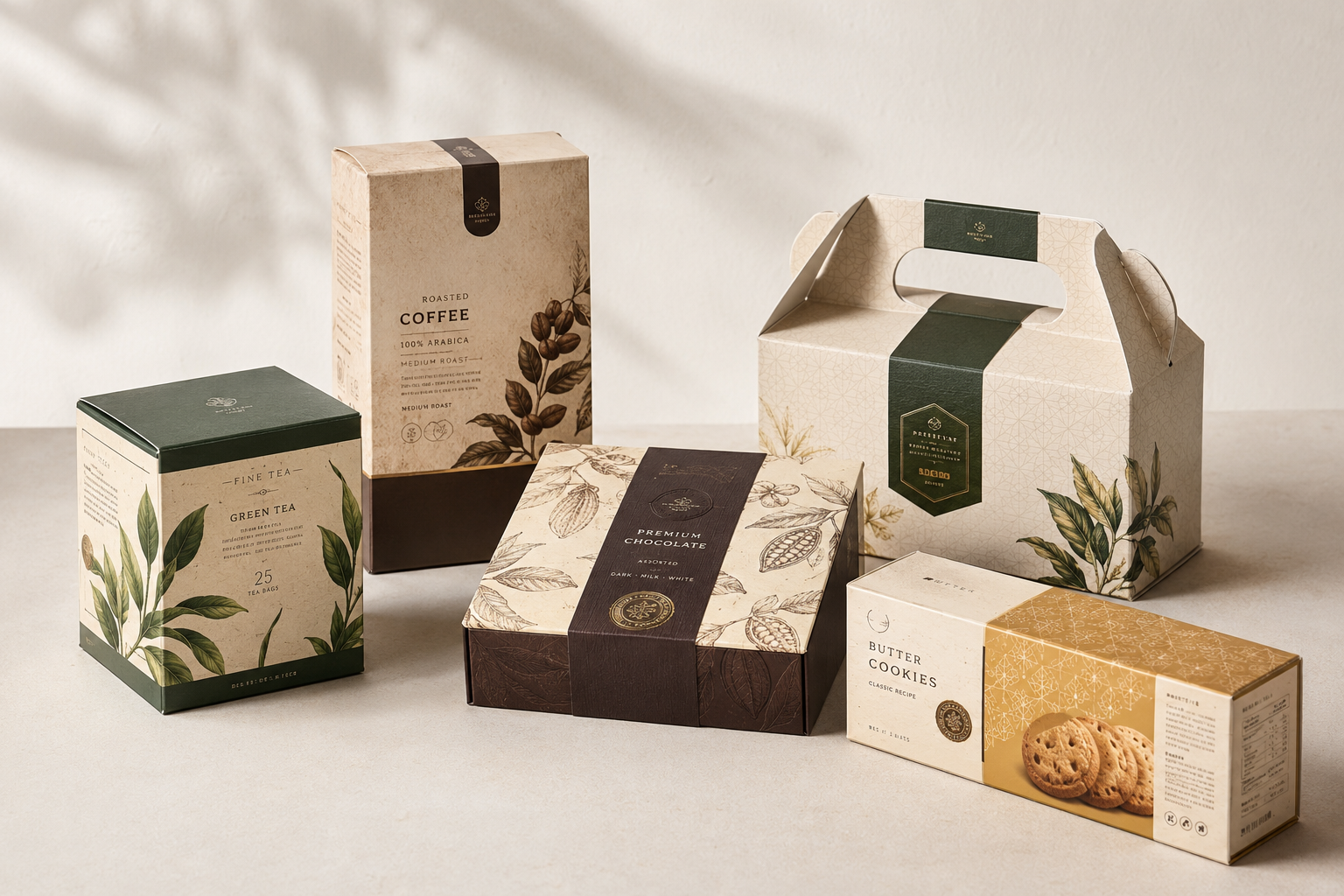
Custom packaging buying guide showcasing various packaging options for different product types.
1. Start with Your Product Specifications
The first step is to understand the physical characteristics of your product. Different products require different levels of protection and support.
Before choosing a packaging style, consider:
- Product size
- Product weight
- Product shape
- Fragility
- Surface sensitivity
- Storage and shipping conditions
For lightweight products, folding cartons may be enough. For heavier or premium products, rigid boxes or corrugated packaging may provide better protection. If the product is fragile, such as glass bottles, skincare bottles, electronics, candles, or gift items, custom inserts or inner trays may be needed to keep the product stable inside the box.
The more clearly you understand your product requirements, the easier it is to choose the right packaging structure.
2. Consider the Sales Channel
Packaging requirements can be very different depending on where and how the product is sold.
| Sales Channel | Main Packaging Requirement | Common Packaging Options |
|---|---|---|
| Retail stores | Shelf appeal and clear brand presentation | Folding cartons, window boxes, paper bags |
| E-commerce | Protection during shipping and good unboxing experience | Corrugated mailer boxes, inserts, sleeves |
| Gift or PR packaging | Premium appearance and strong brand impression | Rigid boxes, magnetic boxes, premium packaging sets |
| Promotional products | Cost control and flexible customization | Paper sleeves, labels, folding cartons |
For retail packaging, visual design and shelf display are usually very important. For e-commerce packaging, structure and protection matter more because the product needs to survive shipping. For luxury or gift packaging, the focus is often on texture, presentation, and brand value.
3. Choose the Right Packaging Structure
Different packaging structures serve different purposes. Choosing the right structure can help balance appearance, protection, and cost.
Rigid Boxes
Rigid boxes are suitable for premium products, gift sets, cosmetics, skincare sets, jewelry, electronics, candles, and luxury items. They provide a strong structure and a high-end appearance, but they usually cost more and take up more shipping space.
Rigid boxes are often chosen when the brand needs a premium unboxing experience or wants the packaging to feel more valuable.
Folding Cartons
Folding cartons are widely used for retail packaging. They are lightweight, cost-effective, and easy to print. They are suitable for cosmetics, skincare products, food items, small electronics, supplements, and consumer goods.
For products that need colorful printing, shelf display, and efficient shipping, folding cartons are often a practical choice.
Corrugated Mailer Boxes
Corrugated mailer boxes are commonly used for e-commerce shipping. They offer better strength and protection, especially for products that need to be delivered directly to customers.
They are suitable for subscription boxes, online retail products, gift sets, clothing accessories, and small electronic products.
Paper Bags
Paper bags are often used for retail stores, events, gift packaging, and branded shopping experiences. They can be customized with printing, handles, paper materials, and finishing options.
For fashion, cosmetics, jewelry, food, and gift brands, custom paper bags can help create a more complete brand experience.
Paper Sleeves
Paper sleeves are a flexible and cost-effective way to add branding to existing packaging. They are often used for food packaging, gift boxes, cosmetic sets, soap packaging, candle boxes, and promotional products.
If you want to control packaging cost while still adding custom branding, paper sleeves can be a good solution.
4. Select the Right Paper Material
Material selection affects the strength, appearance, printing result, and sustainability of the packaging.
Coated Paper
Coated paper has a smooth surface and works well for high-quality color printing. It is commonly used for folding cartons, gift boxes, paper bags, and premium printed packaging.
It is a good choice when the packaging needs bright colors, detailed artwork, or a clean retail look.
Kraft Paper
Kraft paper has a natural and eco-friendly look. It is often used for organic products, handmade goods, food packaging, skincare products, and brands that want a simple, natural style.
Kraft paper is also popular for recyclable packaging concepts, especially in European and North American markets.
Corrugated Paper
Corrugated paper provides better strength and cushioning. It is suitable for shipping boxes, mailer boxes, and packaging that needs more protection during transport.
For e-commerce packaging, corrugated paper is often more suitable than thin paperboard.
Specialty Paper
Specialty paper includes textured, pearl, metallic, colored, or premium paper materials. It is often used for luxury packaging when the brand wants a more distinctive look and feel.
Specialty paper is commonly used for jewelry boxes, perfume packaging, premium gift boxes, and high-end product packaging.
Sustainable and Recyclable Options
For buyers in Europe and North America, recyclable and sustainable packaging options are becoming increasingly important. If sustainability is part of your brand positioning, it is worth discussing recyclable paper, reduced plastic lamination, simple packaging structures, and paper-based alternatives.
If your product has food contact or special compliance requirements, the material and ink options should be confirmed before production.
5. Choose Suitable Printing and Finishing Options
Printing and finishing help create the final look and texture of custom packaging. However, more finishing does not always mean better packaging. The best choice depends on your brand style, product positioning, and budget.
Matte Lamination
Matte lamination gives the packaging a soft and elegant surface. It is often used for premium, minimalist, skincare, beauty, and luxury packaging.
Gloss Lamination
Gloss lamination creates a shiny surface and makes colors look brighter. It is suitable for products that need strong visual impact, such as retail packaging, promotional packaging, and colorful printed boxes.
Foil Stamping
Foil stamping adds metallic details such as gold, silver, rose gold, or holographic effects. It is often used for logos, brand names, decorative lines, and premium product packaging.
Embossing and Debossing
Embossing and debossing create raised or pressed effects on the packaging surface. They can make logos, patterns, or brand elements feel more tactile and premium.
Spot UV
Spot UV adds gloss to specific areas, such as a logo, pattern, or product name, while keeping the rest of the surface matte. It is often used to create visual contrast.
Die-cutting
Die-cutting allows custom shapes, windows, handles, and special structural details. It is commonly used for window boxes, display packaging, paper sleeves, and creative retail packaging.
When selecting finishes, it is better to focus on one or two key effects instead of adding too many techniques at once. A clean and well-balanced design often looks more professional.
6. Balance Budget, MOQ, and Customization
Custom packaging cost is affected by many factors, including material, size, structure, printing colors, finishing options, and order quantity.
In general, a higher order quantity can reduce the unit price because setup costs are spread across more pieces. More complex structures, special paper, and multiple finishing techniques usually increase the cost.
If your budget is limited, there are still practical ways to create customized packaging:
- Use a standard box structure
- Reduce the number of finishing options
- Choose paper sleeves instead of a fully custom box
- Use custom labels or belly bands
- Start with a smaller test order if available
- Keep the design clean and production-friendly
- Avoid unnecessary complex structures at the first stage
For new brands or first-time buyers, it is often better to start with a simple, reliable packaging solution and improve it after market feedback.
7. Packaging Recommendations by Product Type
Different product categories usually need different packaging solutions.
| Product Type | Recommended Packaging Options |
|---|---|
| Cosmetics and skincare | Folding cartons, rigid boxes, paper sleeves, inserts |
| Jewelry and luxury gifts | Rigid boxes, magnetic boxes, specialty paper boxes |
| Food and bakery products | Kraft paper boxes, paper bags, folding cartons |
| E-commerce products | Corrugated mailer boxes, inserts, paper sleeves |
| Electronics and accessories | Rigid boxes, folding cartons, corrugated boxes |
| Promotional products | Paper sleeves, labels, folding cartons, paper bags |
These recommendations are only a starting point. The final packaging choice should still depend on the product size, weight, protection needs, brand positioning, and shipping method.
8. Prepare the Right Information Before Requesting a Quote
To get an accurate quotation, it is helpful to prepare the key details before contacting a packaging supplier.
You can prepare:
- Product size
- Product weight
- Packaging quantity
- Preferred box style
- Material preference
- Printing artwork or logo file
- Finishing requirements
- Shipping destination
- Target budget
- Expected delivery time
If you are not sure about the exact structure or material, you can also provide product photos and reference packaging images. A professional packaging supplier can help recommend suitable options based on your product and market.
FAQ: Custom Packaging Buying Guide
What is the best packaging material for fragile products?
For fragile products, corrugated paper, rigid boxes, and custom inserts are often recommended. The best option depends on the product weight, shape, and shipping method.
What is the difference between rigid boxes and folding cartons?
Rigid boxes are stronger and more premium, but they usually cost more and take up more space. Folding cartons are lighter, more cost-effective, and suitable for retail packaging.
Are kraft paper boxes recyclable?
Kraft paper is commonly used for recyclable and eco-friendly packaging. However, recyclability may also depend on lamination, coating, ink, and local recycling rules.
How can I reduce custom packaging cost?
You can reduce cost by using standard box structures, simplifying printing finishes, choosing paper sleeves or labels, increasing order quantity, and avoiding overly complex designs.
What is the minimum order quantity for custom packaging?
The MOQ depends on the packaging structure, material, printing method, and finishing requirements. Simple paper packaging usually has a lower MOQ, while rigid boxes or special finishing options may require a higher order quantity.
How long does custom packaging production take?
Production time depends on order quantity, packaging complexity, material availability, printing, finishing, and approval of samples. For accurate timing, it is best to confirm the details with your packaging supplier before production.
What information do I need before requesting a packaging quote?
You should prepare product size, product weight, order quantity, box style, material preference, artwork file, finishing requirements, shipping destination, and expected delivery time.
Which packaging is best for e-commerce products?
Corrugated mailer boxes are commonly used for e-commerce because they provide better protection during shipping and can improve the unboxing experience.
Which packaging is suitable for cosmetics and skincare products?
Folding cartons, rigid boxes, paper sleeves, and inserts are commonly used for cosmetics and skincare packaging. The best choice depends on product positioning and budget.
Can I use the same packaging for retail and online sales?
Sometimes yes, but retail packaging and e-commerce packaging have different priorities. Retail packaging focuses more on shelf display, while e-commerce packaging needs stronger protection during shipping.
Conclusion
Choosing the right custom packaging requires more than selecting a beautiful box. The best packaging solution should protect the product, support the brand image, fit the sales channel, and stay within budget.
By considering product specifications, sales channel, packaging structure, material, printing finishes, MOQ, and cost, you can make a more informed packaging decision before starting production.
If you are not sure which packaging option is suitable for your product, our team can help you review your product size, material requirements, printing options, and packaging goals.
Need help choosing the right custom packaging for your product?
Request a Packaging QuoteContact us to discuss your product size, material, printing, and packaging requirements.