
Rigid Boxes vs. Folding Cartons: Which Packaging Solution Fits Your Product?
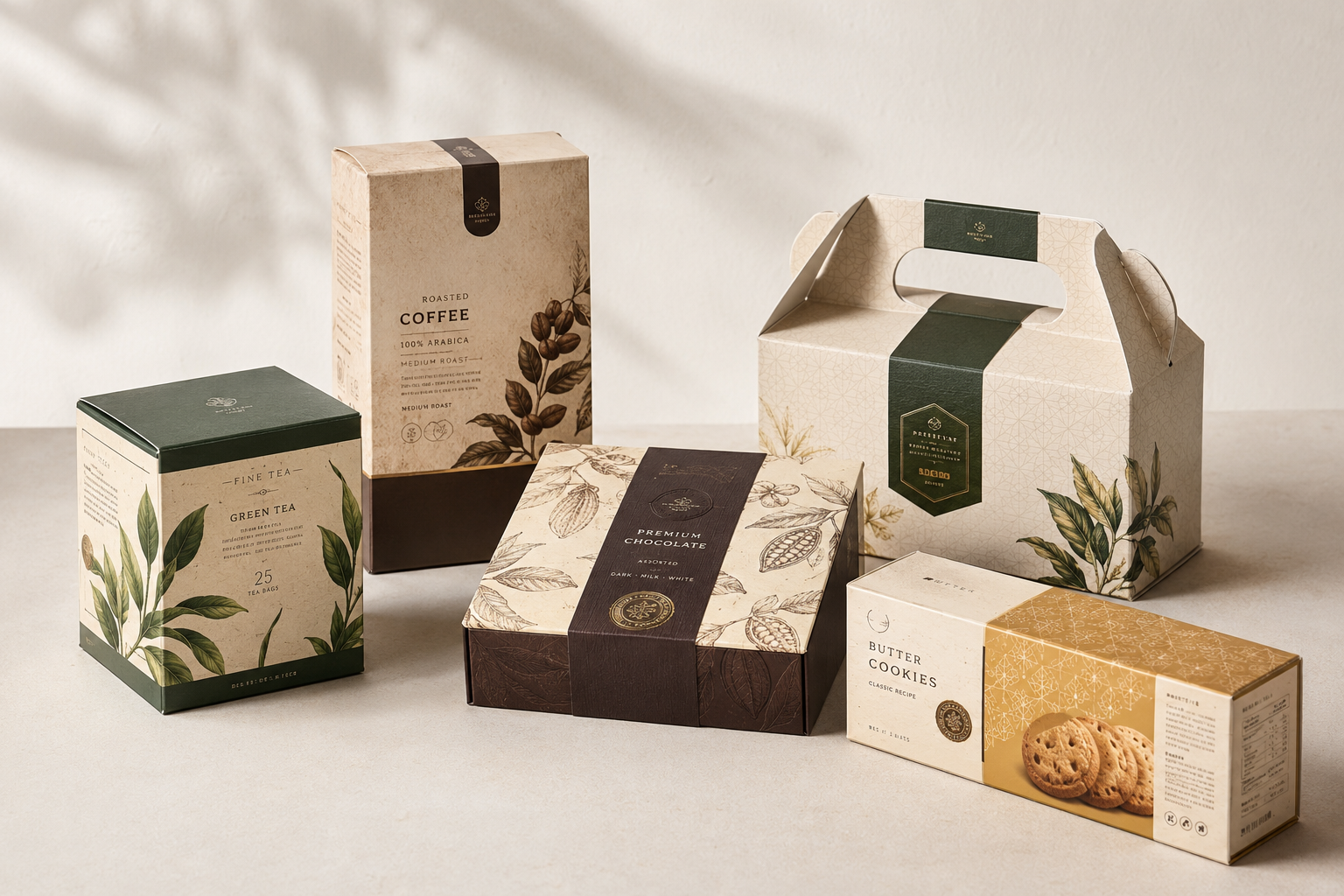
Choosing the right packaging structure is one of the most important decisions in custom packaging development.
Among the most widely used packaging solutions, rigid boxes and folding cartons serve very different purposes. While both can be customized with premium printing and finishing techniques, they differ significantly in appearance, protection, shipping efficiency, and overall cost.
If you are comparing rigid boxes vs. folding cartons for your next packaging project, this guide will help you understand the differences and determine which solution best fits your product and brand.
Custom packaging structure comparison showing various rigid boxes and folding cartons for different product categories.
What Are Rigid Boxes?
Rigid boxes are premium packaging boxes made from thick paperboard, typically wrapped with printed paper or specialty materials.
Unlike folding cartons, rigid boxes are delivered fully assembled and cannot be folded flat after production.
Rigid boxes are commonly used for:
- Luxury gift boxes
- Cosmetics packaging
- Jewelry packaging
- Electronics packaging
- Premium retail products
- Corporate gift packaging
Benefits of Rigid Boxes
Rigid boxes are often selected when product presentation and perceived value are important.
Key benefits include:
- Premium appearance
- Excellent product protection
- Strong shelf presence
- Superior unboxing experience
- Higher perceived product value
For brands focused on luxury positioning, rigid boxes are often the preferred packaging solution.
What Are Folding Cartons?
Folding cartons are lightweight paperboard boxes that are die-cut, folded, and glued into shape.
Unlike rigid boxes, folding cartons are shipped flat and assembled when needed.
Folding cartons are commonly used for:
- Food packaging
- Personal care products
- Pharmaceuticals
- Consumer goods
- Retail packaging
- Promotional products
Benefits of Folding Cartons
Folding cartons are widely used because they are practical, efficient, and suitable for high-volume production.
Key benefits include:
- Cost-effective production
- Lightweight structure
- Efficient shipping and storage
- Flexible printing options
- Suitable for large-volume production
Because of their versatility and affordability, folding cartons remain one of the most widely used packaging formats worldwide.
Rigid Boxes vs. Folding Cartons: Key Differences
| Feature | Rigid Boxes | Folding Cartons |
|---|---|---|
| Structure | Rigid, non-foldable | Foldable |
| Appearance | Premium and luxurious | Standard retail appearance |
| Product Protection | Excellent | Good |
| Shipping Efficiency | Lower | Higher |
| Storage Efficiency | Lower | Higher |
| Cost | Higher | Lower |
| Sustainability | Good | Excellent |
| Best Applications | Luxury packaging, gift boxes, premium products | Retail packaging, food packaging, consumer goods |
Appearance and Brand Perception
One of the biggest differences between rigid boxes and folding cartons is how customers perceive them.
Rigid boxes immediately communicate luxury, quality, and exclusivity. They are commonly used by premium brands because the packaging itself becomes part of the product experience.
Folding cartons provide a professional and attractive appearance but are generally selected when practicality and cost efficiency are more important than luxury presentation.
For products where the unboxing experience plays a significant role in customer satisfaction, rigid boxes often provide a stronger brand impact.
Cost Comparison
Rigid boxes generally cost more than folding cartons because they require thicker materials, additional manual assembly, and more complex production processes.
However, material cost is only part of the equation.
Factors that influence total packaging cost include:
- Material thickness
- Printing requirements
- Finishing options
- Production quantity
- Shipping and storage costs
For many premium products, the additional packaging investment can help increase perceived value and support higher retail pricing.
Shipping Efficiency: Are You Paying to Ship Air?
One important factor that many first-time buyers overlook is freight efficiency.
Because rigid boxes are shipped fully assembled, a large portion of shipping volume is actually empty space inside the box.
In the packaging industry, this is often referred to as "shipping air."
As a result, rigid boxes generally require more warehouse space and higher freight costs.
Folding cartons, on the other hand, are shipped flat. Thousands of cartons can fit onto a single pallet, helping reduce transportation and storage expenses significantly.
For international shipments, this difference can have a meaningful impact on total landed cost.
MOQ and Production Considerations
Another factor buyers should consider is production efficiency.
While folding cartons often have a lower unit price, production setup costs can have a greater impact on smaller orders.
For larger quantities, folding cartons typically achieve excellent economies of scale.
Rigid boxes generally have a higher unit cost, but for many premium packaging projects, the added presentation value can justify the investment.
The most suitable solution depends on your product positioning, order volume, and budget expectations.
Manufacturer's Tip: Do Not Let Packaging Cost Reduce Product Value
One common mistake we see is choosing folding cartons purely to reduce packaging costs for premium products.
Packaging is often the first physical interaction customers have with a brand.
For luxury products, upgrading from a folding carton to a rigid box can significantly improve perceived value, strengthen brand image, and enhance customer satisfaction.
In many cases, the increase in product value outweighs the additional packaging cost.
The best packaging choice is not always the cheapest option. It is the one that best supports your brand positioning.
Is There a Middle Ground? Enter the Collapsible Rigid Box
Many brands want the premium appearance of a rigid box but are concerned about shipping and storage costs.
This is where collapsible rigid boxes offer an excellent solution.
Collapsible rigid boxes provide the same luxury look and sturdy structure as traditional rigid boxes while being designed to fold flat during transportation.
Benefits include:
- Premium appearance
- Reduced shipping costs
- Lower storage requirements
- Improved logistics efficiency
- Better sustainability performance
For brands seeking a balance between luxury presentation and cost efficiency, collapsible rigid boxes are often worth considering.
Sustainability Considerations
Sustainability has become an increasingly important factor in packaging decisions.
Both rigid boxes and folding cartons can be manufactured using recyclable paper materials.
However, folding cartons generally require fewer raw materials and are often easier to recycle after use.
Rigid boxes may contain thicker greyboard, multiple paper layers, magnets, or additional decorative elements, which can make recycling more complex depending on the design.
Brands with strong environmental goals should evaluate both material selection and packaging structure when developing new packaging projects.
Best Applications
Choose Rigid Boxes If You Need:
- Luxury packaging
- Premium gift boxes
- Cosmetics packaging
- Jewelry packaging
- Electronics packaging
- High-end branding
Choose Folding Cartons If You Need:
- Retail packaging
- Food packaging
- Consumer products
- Cost-effective packaging
- High-volume production
- Lightweight shipping
Which Packaging Solution Fits Your Product?
There is no universal winner.
Rigid boxes excel in luxury presentation, product protection, and customer experience.
Folding cartons excel in efficiency, affordability, and large-scale retail distribution.
The right choice depends on your product value, target audience, branding strategy, and budget.
Final Thoughts
When comparing rigid boxes vs. folding cartons, both packaging solutions offer distinct advantages.
Rigid boxes help create a premium customer experience and elevate brand perception, while folding cartons provide practical, cost-effective packaging for large-volume production.
Understanding the strengths of each option will help you select packaging that protects your product, supports your brand, and aligns with your business goals.
Need Help Choosing the Right Box Style?
At Yinchuang Print, we manufacture both rigid boxes and folding cartons for a wide range of industries.
Whether you need luxury gift packaging, retail cartons, collapsible rigid boxes, or custom packaging solutions, our team can help you choose the most suitable packaging structure for your project.
Explore our Materials & Finishing options or contact us for a free quote or packaging consultation today.
Frequently Asked Questions
Q: What is the main difference between rigid boxes and folding cartons?
A: Rigid boxes are made from thick paperboard and delivered fully assembled, offering a premium appearance and excellent protection. Folding cartons are lightweight, shipped flat, and assembled when needed, making them more cost-effective and efficient for shipping and storage.
Q: Are rigid boxes worth the extra cost?
A: For luxury products, premium gifts, cosmetics, jewelry, and electronics, rigid boxes can significantly enhance perceived value and customer experience. The additional cost often justifies the improved brand image and higher retail pricing potential.
Q: What are collapsible rigid boxes?
A: Collapsible rigid boxes combine the premium appearance of traditional rigid boxes with the shipping efficiency of folding cartons. They fold flat during transportation, reducing shipping and storage costs while maintaining a luxury look and feel.
Q: Which is more sustainable: rigid boxes or folding cartons?
A: Both can be made from recyclable materials. However, folding cartons generally require fewer raw materials and are easier to recycle. Rigid boxes may contain additional elements like magnets or multiple layers that complicate recycling.
Q: Can I get custom printing and finishing on both types?
A: Yes, both rigid boxes and folding cartons support custom printing, foil stamping, UV coating, embossing, debossing, and other finishing techniques. Visit our Materials & Finishing page to learn more about available options.